

Winter Tire Safety in Colorado
Winter Tire Safety Tips for Colorado Drivers
Colorado winters can be unpredictable, with snow, ice, and freezing temperatures creating hazardous driving conditions. Having the right tires—and maintaining them properly—can make all the difference.
1. Switch to Winter Tires
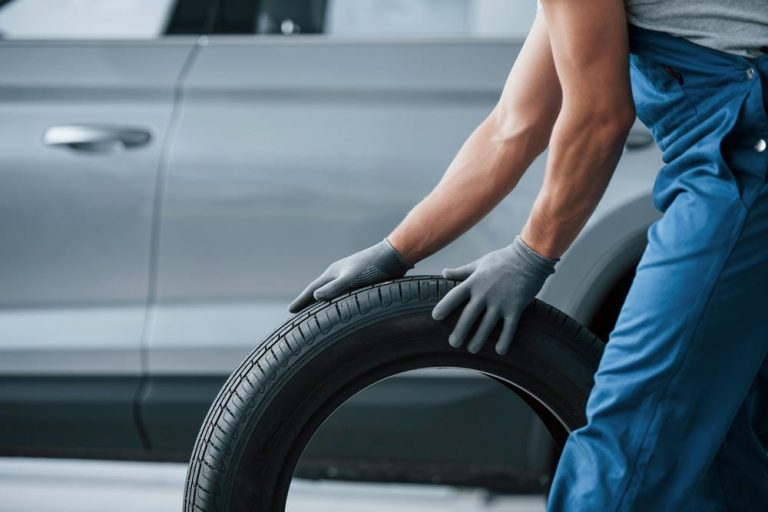
All-season tires may not be enough for harsh Colorado winters. Winter tires are designed for better traction on snow and ice.
Why it matters:
They stay flexible in cold temperatures, giving you better control.
2. Maintain Proper Tire Pressure
Cold air reduces tire pressure quickly, which can impact traction and braking.
Tip:
Check pressure frequently during winter months.
3. Drive Slower and Increase Distance
Even with good tires, winter roads are dangerous.
Safety tips:
- Increase following distance
- Avoid sudden braking
- Take turns slowly
4. Check Tire Chains Requirements
In certain Colorado areas, especially mountain passes, tire chains or traction devices may be required.
Tip:
Always check local regulations before traveling.
Conclusion
Winter driving in Colorado requires preparation. The right tires and safe driving habits can help you avoid dangerous situations on icy roads.